Featured
The 15-Second Trick For How New Platforms Is Making Renta...
10 Easy Facts About "Bankruptcy Wrecks Your Credit" and M...
Unknown Facts About Your Introduction to Credit Counselin...
:max_bytes(150000):strip_icc()/debtrestructuring.asp_final-a64fcb2c01704710bc55061e4304ce7d.png)
The 45-Second Trick For How Much to Budget for Profession...

The 15-Second Trick For How New Platforms Is Making Rental Counseling: What You Didn’t Know You Could Get Help With : APFSC Better
Table of Contents
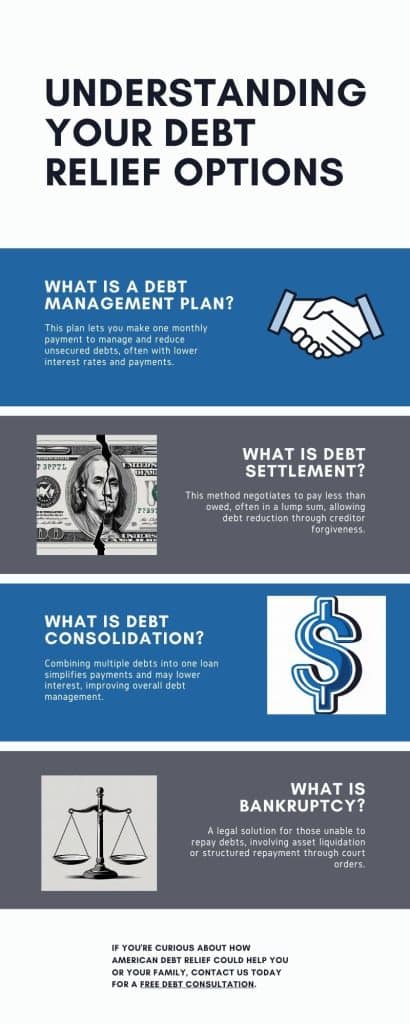
That releases up money in the brief term, and you might have 3 to four years to save toward the settlement amount. Extremely unsafe to credit history, primarily due to missed settlements and an adverse "settled" mark that might stay on your credit rating report for approximately seven yearsMay be only alternative if various other alternatives (financial obligation combination, equilibrium transfer debt cards, financial obligation forgiveness) aren't possibleTypically requires a charge to the 3rd party, which could counter some or every one of the savings from financial obligation settlementMay assist you stay clear of insolvency if you've missed several paymentsNot all financial institutions function with financial obligation settlement business Debt mercy might be appropriate for you if you are experiencing a financial challenge that makes it virtually impossible to pay down your financial obligation balances.

With a DMP, you make one month-to-month repayment to the credit rating therapy company. Those funds are then distributed to lenders of your unprotected financial debts, such as credit rating cards and installment finances. The company collaborates with your creditors to decrease interest prices or waive costs, yet some lenders might decline such giving ins.
A financial debt consolidation lending combines your qualified financial obligations into one new lending. It can aid you pay down financial debt if you're able to secure a lending price that's reduced than the ordinary price of the accounts you're combining. You must abstain from racking up financial obligation on those recently removed accounts or your financial obligation could expand also greater.
These cards frequently offer a 0% passion initial duration of as much as 21 months. That gives you lots of time to remove or substantially minimize your equilibrium while making interest-free repayments. For some individuals facing overwhelming financial debt, bankruptcy might be the only way to quit collection procedures and lawfully settle their financial debts.
Some Known Incorrect Statements About How Debt Counselors Help Clients with Individuals
You may need it if your financial institution or a collection company ever before attempts to gather on the financial obligation in the future. When a lending institution forgives $600 or more, they are called for to send you Type 1099-C.
Financial debt mercy or negotiation usually harms your credit score. Anytime you work out a financial debt for much less than you owe, it may look like "resolved" on your credit rating record and impact your credit report for seven years from the date of negotiation. Your credit history can likewise drop significantly in the months leading to the forgiveness if you fall back on payments.
Accreditation Requirements from the Industry - An Overview
This circumstance usually results from underreporting revenue, not filing returns on time, or disparities located throughout an IRS audit. The repercussions of gathering tax financial obligation are severe and can consist of tax obligation liens, which provide the Internal revenue service a lawful claim to your residential or commercial property as security for the financial obligation.
Higher rate of interest on available credit scores. Incomes and Bank Accounts IRS can levy (confiscate) wages and checking account to please the financial debt. Reduced earnings and disruption of necessary economic procedures. Residential property Seizure In extreme cases, the internal revenue service can confiscate and sell residential property to cover the financial debt. Loss of important possessions and potential displacement.
Clinical depression, anxiety, and various other mental wellness problems. Social Preconception Encountering legal action from the IRS can carry social stigma. Damage to track record and relationships. Work Opportunities A poor credit rating as a result of strain financial obligation can limit employment possibility. Trouble searching for or maintaining a work. Federal government Benefits Tax financial debt might affect qualification for federal government benefits, such as Social Safety And Security and Medicaid.
Unknown Facts About "Bankruptcy Wrecks Your Credit" Debunked
The OIC considers a number of variables, consisting of the taxpayer's revenue, expenses, possession equity, and capability to pay. Efficiently negotiating an OIC can be intricate, calling for a thorough understanding of the internal revenue service's standards and a solid argument for why your offer aligns with your capacity to pay. It is necessary to keep in mind that not all applications are approved, and the procedure calls for thorough financial disclosure.
The internal revenue service evaluates your total economic situation, including your revenue, expenses, possession equity, and capacity to pay. You should likewise be present with all filing and repayment demands and not be in an open personal bankruptcy case. The IRS also considers your compliance background, evaluating whether you have a document of timely declaring and paying tax obligations in previous years.
Getting The How Rental Counseling: What You Didn’t Know You Could Get Help With : APFSC Safeguards Your Assets To Work
The application process for an Offer in Concession includes numerous detailed actions. First, you must finish and submit internal revenue service Kind 656, the Deal in Compromise application, and Type 433-A (OIC), a collection details declaration for individuals. These forms require comprehensive monetary information, consisting of details regarding your revenue, financial obligations, expenses, and assets.
Back taxes, which are overdue taxes from previous years, can considerably enhance your complete IRS financial debt otherwise resolved promptly. This financial debt can accumulate interest and late repayment fines, making the original amount owed a lot larger over time. Failure to pay back taxes can result in the internal revenue service taking enforcement actions, such as issuing a tax lien or levy versus your residential property.
It is essential to deal with back tax obligations as quickly as feasible, either by paying the full quantity owed or by arranging a layaway plan with the internal revenue service. By taking aggressive steps, you can avoid the accumulation of additional passion and fines, and avoid much more hostile collection activities by the internal revenue service.
One common reason is the idea that the taxpayer can pay the total either as a round figure or via a settlement plan. The IRS additionally takes into consideration the taxpayer's income, expenses, possession equity, and future earning capacity. If these elements show that the taxpayer can afford to pay greater than the offered amount, the IRS is most likely to deny the offer.
Fascination About Red Flags When Researching Forgiveness Help
Dealing with Internal revenue service debt can be intricate and complicated. Tax obligation professionals, such as Certified public accountants, tax lawyers, or enrolled agents, can provide invaluable support.

Table of Contents
Latest Posts
The 15-Second Trick For How New Platforms Is Making Rental Counseling: What You Didn’t Know You Could Get Help With : APFSC Better
10 Easy Facts About "Bankruptcy Wrecks Your Credit" and More Lies Explained

Unknown Facts About Your Introduction to Credit Counseling for People with Good Credit Scores but Rising Debt and What to Ask
More
Latest Posts
10 Easy Facts About "Bankruptcy Wrecks Your Credit" and More Lies Explained
Unknown Facts About Your Introduction to Credit Counseling for People with Good Credit Scores but Rising Debt and What to Ask